
Trout Worms for Stocked & Pressured Trout
Stocked trout and heavily pressured fish behave differently than aggressive wild fish.
They see loud spinners.
They follow flashy baits.
They refuse oversized presentations.
A properly designed trout worm solves that problem.
Subtle profile.
Controlled fall.
Natural movement.
When trout have time to inspect a bait, finesse wins.
What Makes a Good Trout Worm?
The best trout worm for stocked or pressured water focuses on three things:
• Profile – Slim, natural silhouette that doesn’t overpower the presentation
• Fall Rate – Controlled sink that keeps the bait in the strike zone
• Material Softness – Natural movement without collapsing on the hook
Flash creates follows.
Subtle realism creates bites.
In cold, clear, or pressured water, small details matter.
Our Trout Worm Options
We design each trout worm profile for specific water conditions and presentation styles.
Ribbed Trout Worm 2.38"
Our most consistent producer in pressured public water, the Ribbed Trout Worm 2.38" is designed specifically for stocked trout that have seen heavy angling pressure.
In ponds, small lakes, and urban fisheries where fish follow but hesitate, a subtle ribbed soft plastic trout worm often outperforms flashier baits. The ribbed body creates controlled micro-vibration without overpowering the presentation. Instead of triggering reaction strikes, it encourages inspection bites — which is critical when trout are selective.
This 2.38 inch trout worm profile is tuned for finesse fishing with light jig heads and slow retrieves. It maintains a balanced horizontal fall, stays straight on the hook, and resists spinning during the drop. That natural fall rate keeps the bait in the strike zone longer — especially important in cold water or pressured conditions.
Why anglers choose the Ribbed Trout Worm:
• Subtle ribbed action that increases water displacement without excess flash
• Designed for light jig heads and finesse setups
• Balanced for natural horizontal fall
• Excellent for stocked trout in ponds and small lakes
• Proven performer when trout are following but not committing
If you are searching for the best trout worm for stocked ponds or pressured public water, the Ribbed Trout Worm remains our most proven finesse option.

Round Trout Worm 2.95"
The Round Trout Worm 2.95" is a slightly thicker finesse profile designed for slower presentations, colder water, and situations where trout are holding tight to structure.
When fish are inspecting baits instead of chasing them, a smooth round body can produce more natural movement than aggressive ribbing. This round soft plastic trout worm creates a clean, subtle silhouette that glides rather than vibrates. In clear water or high-pressure conditions, that reduced disturbance can make the difference between follows and committed bites.
The added thickness increases visibility in stained water while maintaining a controlled sink rate. It falls slower than many standard soft plastics, helping keep the bait in the strike zone longer. When rigged properly, it maintains its shape during controlled drifts and slow retrieves, making it effective for trout that are positioned near bottom or suspended in colder conditions.
Why anglers choose the Round Trout Worm:
• Smooth finesse profile for natural presentation
• Increased visibility in lightly stained water
• Slower, controlled drop rate
• Maintains shape during slow drifts
• Ideal when fish are holding tight and inspecting baits
If you need a trout worm for cold water or cautious fish that won’t chase, the Round Trout Worm 2.95" provides a controlled, confidence-driven presentation.
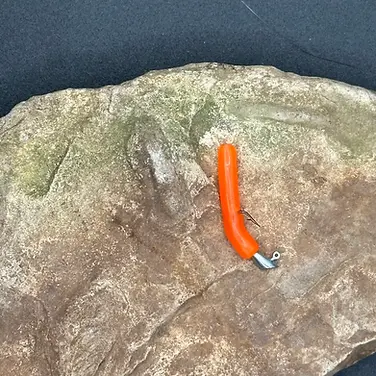
Wax Worm Profile
The Wax Worm Profile is built to imitate compact natural forage that trout recognize immediately. In heavily pressured water, smaller and simpler presentations often outperform larger soft plastics. This compact trout worm profile delivers that finesse advantage.
Designed for stocked trout and panfish, the wax worm style soft plastic creates a short, natural silhouette that does not overpower the presentation. When fish are following but refusing longer baits, downsizing to a shorter finesse worm can trigger confident bites.
This profile performs especially well in cold water, early season stocking conditions, and clear streams where trout have time to inspect a bait. It works effectively under a float, on a light jig head, or presented with slow, controlled drifts. The compact body keeps movement subtle while maintaining enough visibility to remain detectable.
Why anglers choose the Wax Worm Profile:
• Shorter finesse profile for pressured trout
• High-confidence cold water bait
• Simple and effective under a float or light jig
• Ideal when trout are keyed in on small forage
• Strong option for stocked ponds and urban fisheries
If trout are ignoring longer worms or reacting cautiously, the Wax Worm Profile provides a smaller, controlled presentation that encourages inspection bites rather than reaction strikes.

Ribbed vs Round vs Wax Worm – Which Should You Use?
Each trout worm profile is designed for a specific presentation style and water condition. Choosing the right one depends on how trout are behaving — not just personal preference.
Choose the Ribbed Trout Worm 2.38" when:
• Fish are following but not committing
• You need subtle vibration without excess flash
• Fishing stocked ponds or pressured public lakes
• Using light jig heads with slow, controlled retrieves
The ribbed body creates controlled micro-displacement in the water, adding movement without overpowering cautious trout.
Choose the Round Trout Worm 2.95" when:
• Water is colder and fish are holding tight
• Trout are positioned near bottom or structure
• You want a smoother, gliding presentation
• Slightly stained water requires more visibility
The smooth body profile reduces disturbance and creates a clean silhouette that works well when trout have time to inspect a bait.
Choose the Wax Worm Profile when:
• Trout are rejecting longer worms
• Fish are keyed in on small natural forage
• Fishing under a float or light jig
• High-pressure conditions demand a compact presentation
The shorter finesse profile encourages inspection bites rather than reaction strikes.
In clear, cold, or pressured water, smaller and more controlled presentations consistently outperform oversized or aggressive baits. Start with profile and fall rate first — then adjust color to match visibility conditions.
Choosing the Right Trout Worm
Start with water conditions:
-
Clear Water → Natural tones and subtle action
-
Stained Water → Higher contrast colors
-
Cold Water → Slower fall and compact profile
-
Heavily Pressured Water → Smaller profile, controlled movement
If fish are following but not committing, reduce flash and slow the presentation.
How to Rig a Trout Worm
Presentation matters as much as the bait itself.
A properly rigged trout worm should:
• Sit straight on the hook
• Fall naturally without spinning
• Maintain subtle movement during slow retrieves
Trout Worm Color Selection
Color should increase visibility without overpowering the presentation.
Instead of dozens of options, we focus on high-contrast, confidence colors that perform in:
• Clear water finesse situations
• Low light conditions
• Deeper or stained water
For a deeper breakdown of how color, profile, and presentation affect strikes, read our complete guide to Best Soft Plastics for Trout.
Built for Pressured Water
Every trout worm we produce is:
• Hand-poured
• Water-tested
• Designed for finesse presentations
• Tuned for stocked and pressured trout environments
If it doesn’t fish right, we don’t sell it.
Frequently Asked Questions About Trout Worms
What size trout worm works best for stocked trout?
For most stocked ponds and public water, a 2–3 inch trout worm provides the best balance of visibility and finesse. Smaller profiles work well when fish are pressured or inspecting baits closely. In colder water, compact profiles often produce more consistent bites.
Are ribbed trout worms better than smooth worms?
Ribbed trout worms create subtle water displacement that can increase detection without adding flash. In pressured water, that controlled vibration often encourages committed bites. Smooth round worms, however, can perform better when trout are holding tight and responding to a cleaner silhouette. The right choice depends on fish behavior and water conditions.
Do trout worms work better than spinners in pressured water?
In heavily fished ponds and urban lakes, trout often become conditioned to flashy spinners. A soft plastic trout worm offers a more natural presentation with a controlled fall rate. When trout are following but not striking reaction baits, switching to a finesse worm can increase hook-ups.
What color trout worm works best in clear water?
In clear water, natural or subtle tones typically outperform high-contrast colors. When visibility drops or light conditions change, brighter colors can help increase detection. Start subtle, then adjust if fish are not committing.
How should a trout worm be rigged?
A trout worm should be rigged straight on a light jig head to maintain a natural horizontal fall. Avoid twisting the body on the hook, as spinning reduces realism. Slow retrieves and controlled drifts usually outperform aggressive movement in pressured water.