Stonefly Nymph: How to Rig and Fish It for Trout
The stonefly nymph is one of the important subsurface foods for trout in rivers, tailwaters, and cold streams — and when fish are holding tight to the bottom or refusing flashier baits, a properly rigged soft-plastic stonefly can out-produce a bulkier worm or a reaction lure. But the lure is only half of it. With stoneflies, success comes down to presentation, depth control, and drift. This guide covers the biology that makes them work, then how to rig and fish one with jig heads and light-wire hooks.
Why Trout Eat a Stonefly Nymph
Stoneflies (order Plecoptera) go through incomplete metamorphosis — egg, nymph, adult — with no pupal stage. The nymph stage is the one that matters to you, because it lasts a remarkably long time: depending on species, stonefly nymphs live on the streambed for two to four years before hatching. That long underwater life means trout have access to them essentially year-round, which is exactly why a stonefly nymph imitation makes such a dependable searching pattern even when nothing’s hatching.
Two more facts about how stoneflies live explain why the right presentation matters so much:
- They’re clinger-crawlers, not swimmers. Stonefly nymphs have double claws and often flattened bodies that let them grip rocks in fast, broken water. They’re poor swimmers, so when one loses its grip and slips into the current — by accident or during natural “behavioral drift” — it tumbles helplessly along the bottom. That defenseless, bottom-bouncing drift is precisely what trout key on, and precisely what your lure should imitate.
- They emerge differently than other bugs. Unlike mayflies and caddis, which rise to hatch at or near the surface, stonefly nymphs crawl out of the water onto rocks and banks to molt into adults. That means the subsurface nymph — not a surface emergence — is where the trout-feeding action is. It’s a bottom game.
There’s a bonus to all this: stoneflies need clean, cold, well-oxygenated water to survive, so their presence is a sign of a healthy stream. If you’re seeing stonefly nymphs under the rocks, you’re fishing good water.
Choosing the Right Soft Plastic Stonefly Nymph
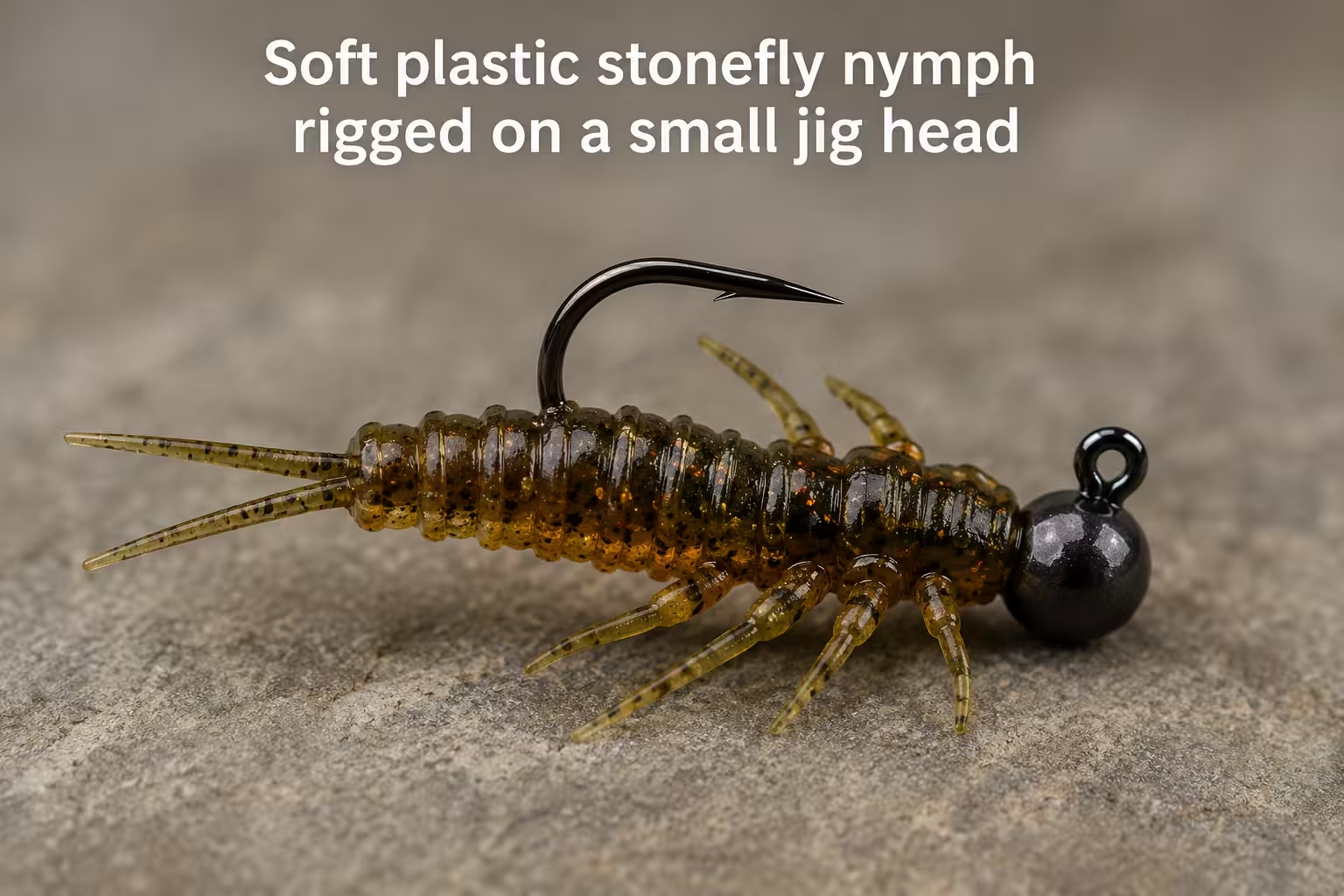
Size and profile do the heavy lifting. A 1-inch stonefly soft plastic matches the smaller nymphs trout commonly feed on in technical water. Compact plastics give you a controlled sink rate, better bottom contact, a subtle profile, and a higher hookup rate. In clear water or on heavily pressured trout, downsizing usually improves results. Natural stonefly colors run black, brown, amber, and rusty orange — match those and you’re close.
How to Rig a Soft Plastic Stonefly Nymph
Rigging is what controls your fall rate and presentation.
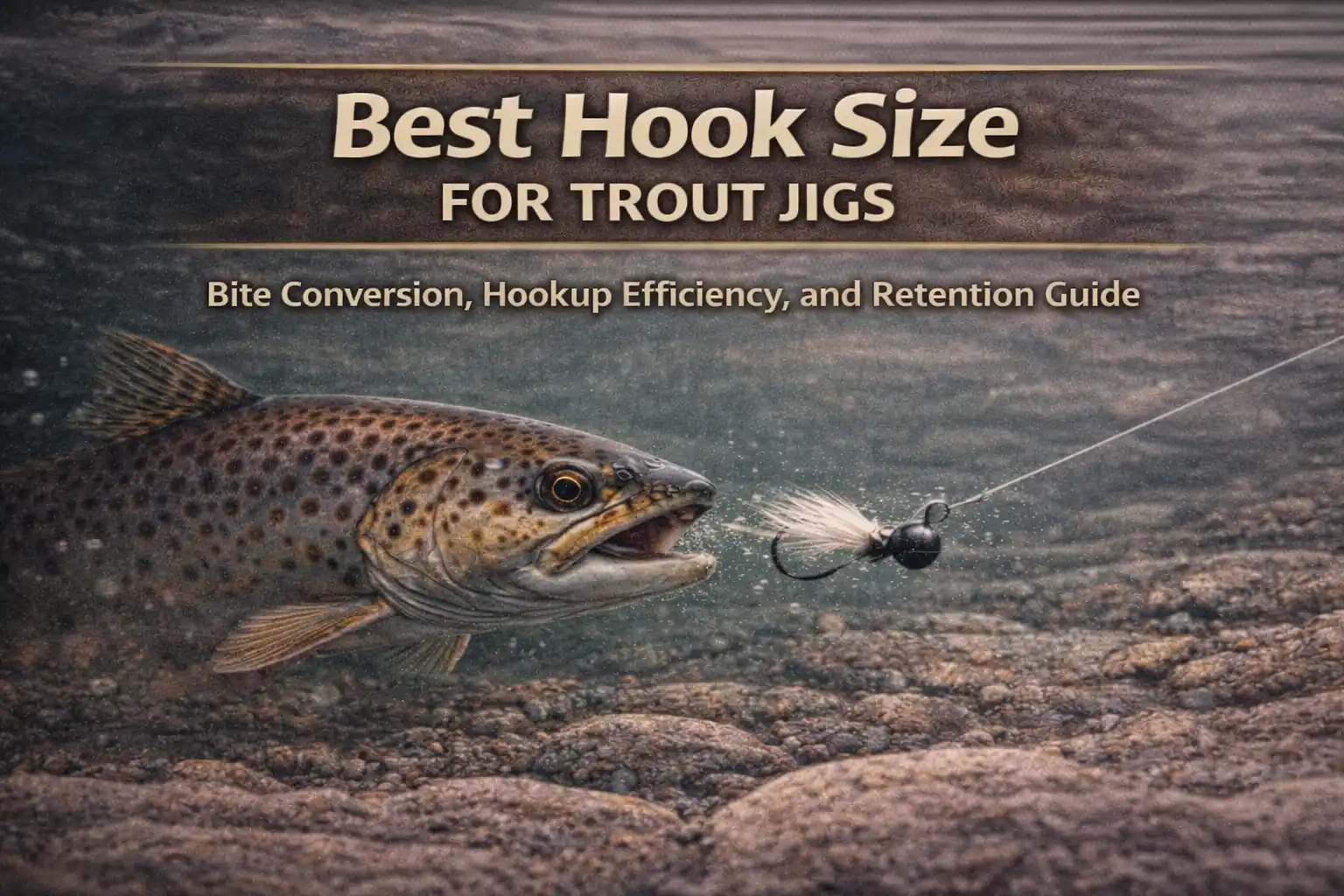
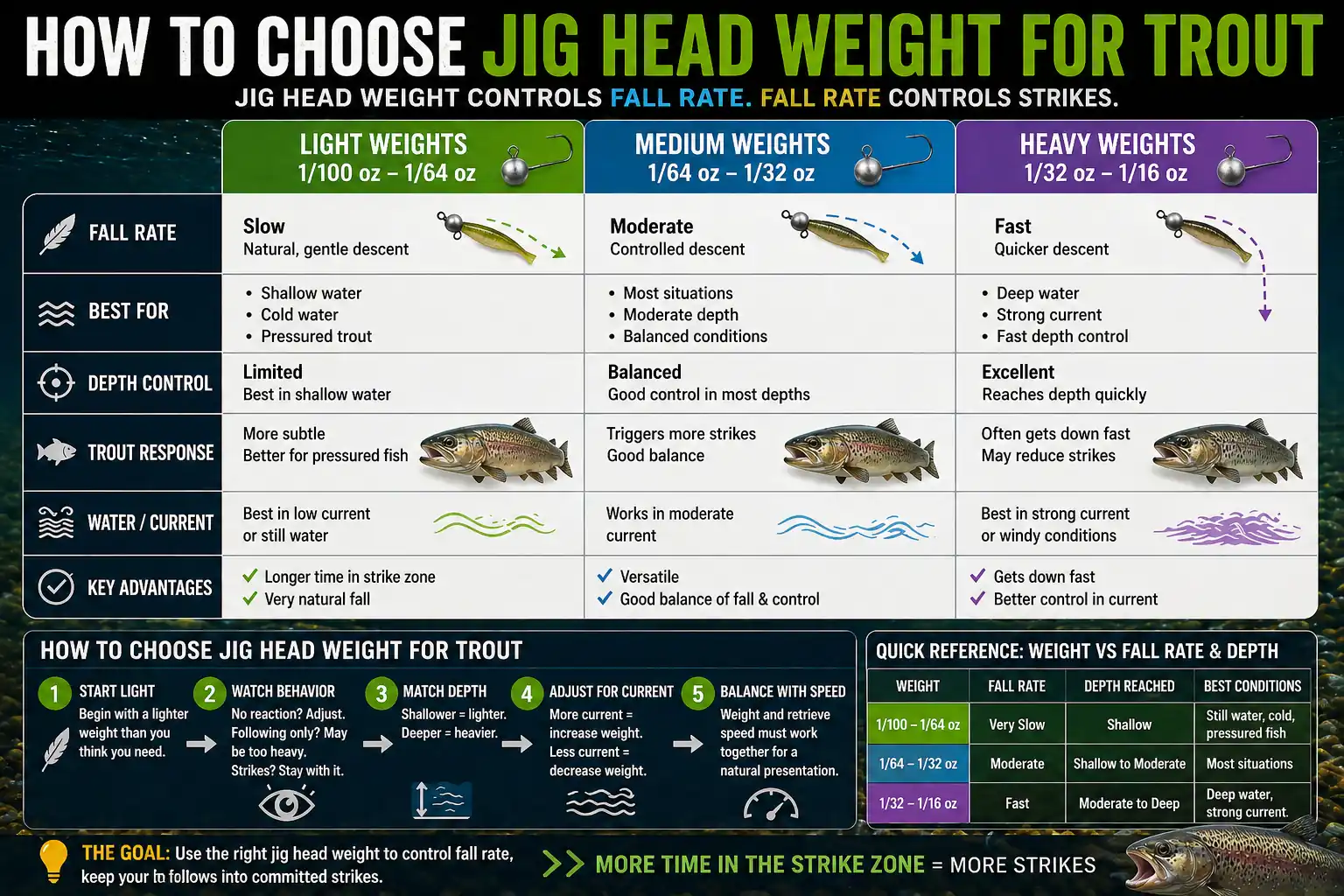
Jig head rig (most effective). Use a light jig head — typically 1/80 oz with a #12 hook — to keep a natural drift, a balanced fall rate, and proper bottom contact. Thread the stonefly on straight so the body rides level; a crooked rig kills the natural look and makes the bait spin. This setup excels in river seams, controlled drifts, slow pools, and tailwater runs.
Aberdeen (light-wire) rig. In slower current or ultra-clear water, a light-wire Aberdeen-style hook gives less visual weight, a softer presentation, and easier hook penetration. Pair it with split shot placed 8–12 inches above the bait for depth control. This is the move when trout are inspecting closely and rejecting heavier presentations.
How to Fish It
With stoneflies, presentation beats action — you’re imitating a poor swimmer, not a fleeing baitfish.
Dead drift. Let the bait drift naturally with the current with minimal rod movement, and let the water do the work. This imitates a dislodged nymph tumbling downstream — the most natural presentation there is.
Controlled lift-and-drop. Slight rod lifts followed by a slack-line fall mimic a nymph that’s been knocked loose from the bottom and is struggling to regain its grip.
Slow bottom crawl. Maintain light contact with structure while keeping gentle tension. Effective in deeper runs where fish hold close to the rocks.
The goal is always natural movement, never speed.
When to Fish a Stonefly Nymph Over a Worm
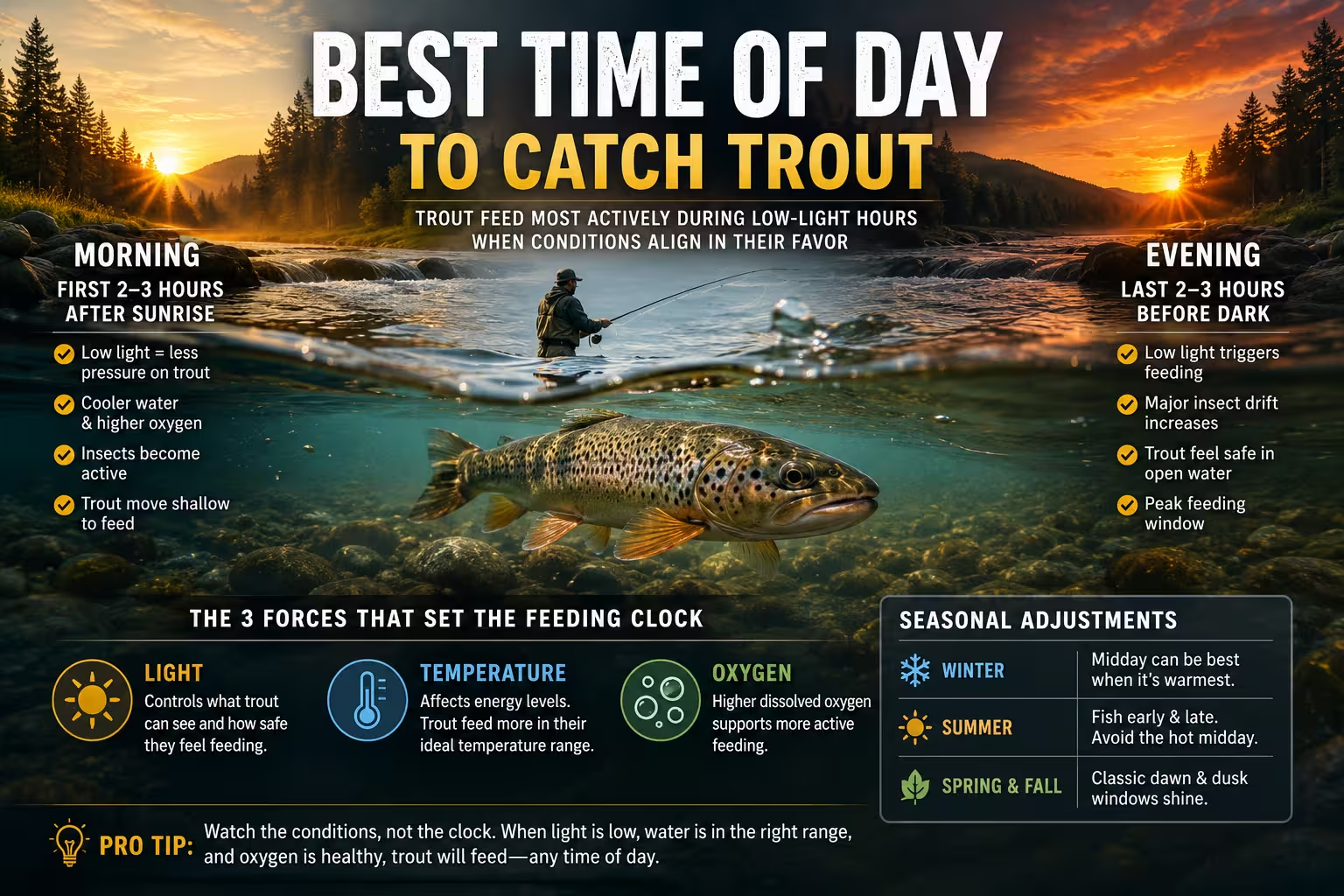
Reach for a stonefly imitation when trout are feeding subsurface, when the water is clear, when fish are pressured, when reaction baits are getting ignored, or when cold water has slowed feeding. In clear or pressured systems, a realistic insect profile routinely outperforms a larger or flashier bait — visibility, contrast, and a controlled drift become the deciding factors. For the full picture on trout lure selection, color, and presentation, see our Best Soft Plastics for Trout guide.
Frequently Asked Questions
What size stonefly soft plastic is best for trout?
A 1-inch stonefly matches the smaller nymphs trout commonly eat in streams and tailwaters. In clear or pressured water, downsizing usually improves drift and presentation.
What jig head weight should I use?
In most trout streams, a 1/80 oz jig head with a #12 hook gives a balanced fall rate and good bottom contact. Adjust for current speed and depth.
Do stonefly soft plastics work in clear water?
Yes — that’s where they shine. In clear water, realistic insect profiles often beat larger or flashier baits, with subtle color and controlled drift doing the work.
When should I use a stonefly instead of a trout worm?
When trout are feeding subsurface, holding near the bottom, or ignoring larger plastics. Stoneflies excel in cold water and technical current seams.
Final Thoughts
A soft-plastic stonefly isn’t a high-visibility lure — it’s a technical tool. Matched to the right jig head and drifted correctly through productive water, it draws strikes from fish that ignore bigger, flashier baits. In clear, pressured, or cold-water conditions, subtlety wins. Many of the same waters also see seasonal mayfly activity that drives similar subsurface feeding; our complete guide to mayflies for trout covers how trout respond to those hatches.
About Family Fishin
Family Fishin is a family-owned fishing tackle company dedicated to designing, testing, and producing high-quality fishing lures — inspired by generations of fishing tradition and driven by a passion for innovation. Every product is developed with one goal in mind: helping anglers spend more time doing what they love, catching fish and creating memories on the water.
Tags: #stonefly #soft plastic stonefly #trout fishing #nymph fishing #jig head rigging #trout food